
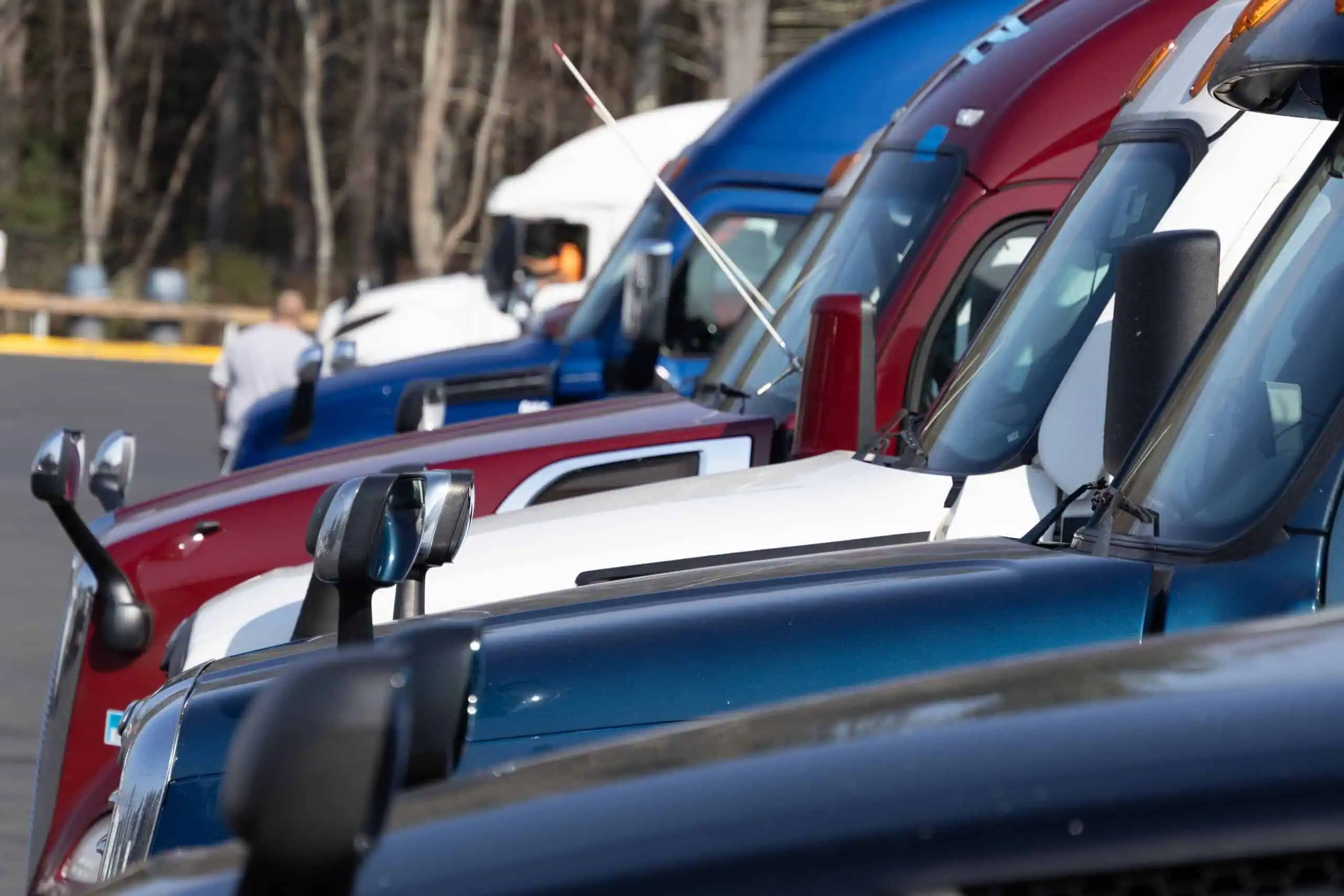
Fleet Insurance in Massachusetts
Learn more about Gould Insurance’s Fleet Insurance coverage offerings and get a quote from our Massachusetts agents today!
Gould Insurance helps Massachusetts organizations protect the vehicles that keep work moving. If your team relies on multiple cars, vans, trucks, or specialty vehicles, Fleet Insurance may be a smart way to simplify coverage, manage risk, and keep drivers on the road with confidence.
Our approach is practical and people-first: we listen to how your fleet actually operates, then tailor options that may include liability, physical damage, and risk management support. Whether you manage a handful of service vans or a growing mixed fleet, we’re here to make Fleet Insurance in Massachusetts feel clear, flexible, and dependable.
What Is Fleet Insurance And Who Is It For?
Fleet Insurance in Massachusetts is designed for organizations that operate two or more vehicles under a single policy. It may be a fit for contractors, delivery services, nonprofits, municipalities, schools, trades, and professional services—basically any team whose work depends on reliable transportation. Instead of juggling separate policies for each vehicle, a fleet policy can centralize coverage, streamline renewals, and create a clearer picture of risk across your operation.
Coverage may include auto liability, physical damage (comprehensive and collision), medical payments, uninsured/underinsured motorist protection, and optional endorsements for hired and non-owned autos. Many fleets also explore options that may include roadside assistance, rental reimbursement, or equipment coverage for permanently installed tools. Because Massachusetts regulations and driving environments are unique, your policy can be shaped around local requirements, urban traffic patterns, winter weather exposures, and the types of vehicles you run—from sedans and cargo vans to box trucks and specialty rigs.
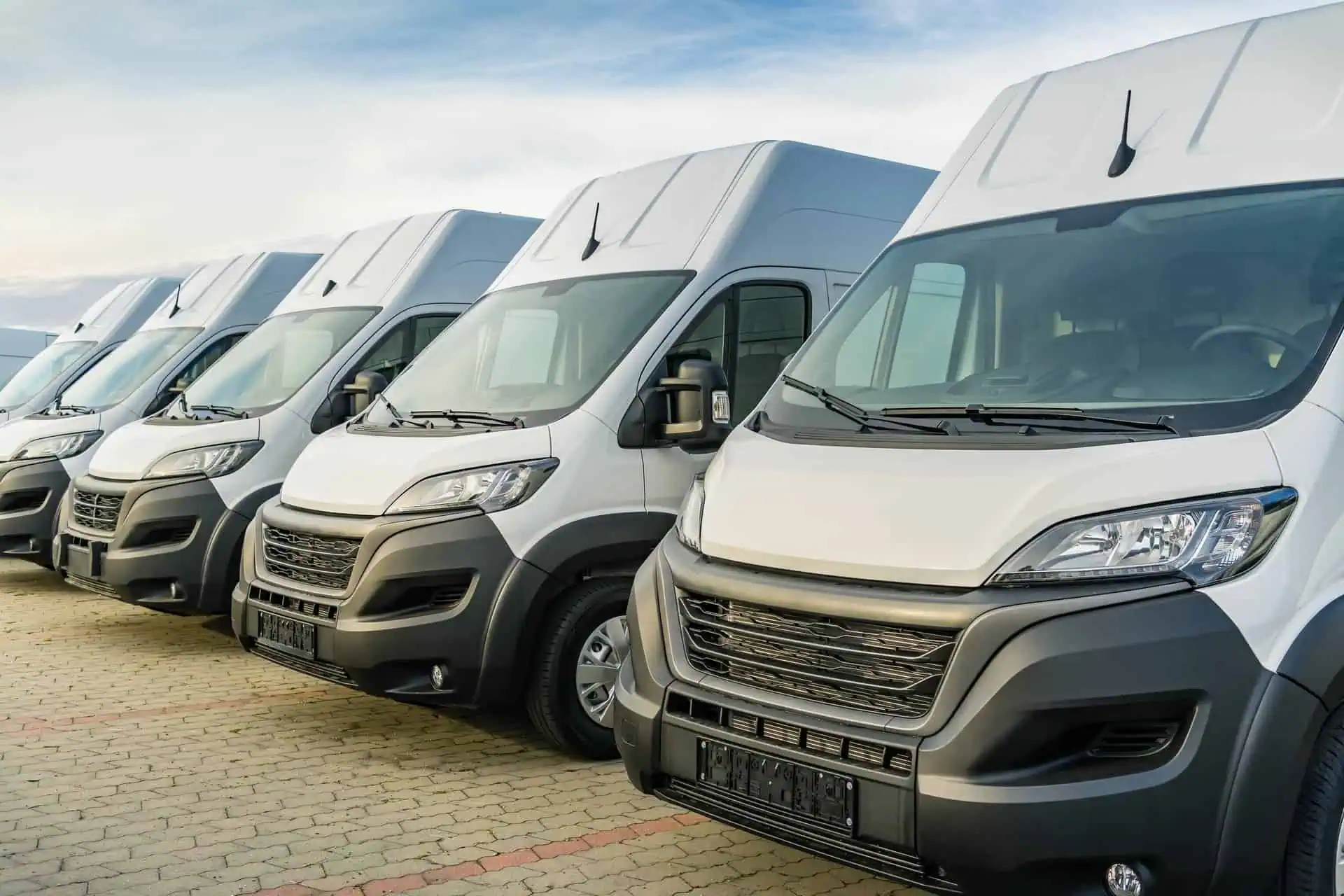

How Can Fleet Insurance Support Safer Operations In Massachusetts?
Strong Fleet Insurance in Massachusetts isn’t just about paying claims—it’s about reducing the chances you’ll need one. A thoughtful program may include risk management support that helps you set driver standards, manage onboarding, and encourage safer habits behind the wheel. This can be especially helpful for fleets with mixed driver experience or seasonal hiring.
Your coverage approach may include tools like driver motor vehicle record (MVR) reviews, guidance on distracted-driving policies, and suggestions for vehicle maintenance schedules. Some fleets explore telematics or GPS programs to improve routing and visibility, which may reduce downtime and improve response times. In a state where winter weather, tight city streets, and busy highways are part of daily operations, building safety into your fleet strategy can protect your people and your bottom line. Gould Insurance helps you weigh these options and choose what fits your culture and budget.
What Types Of Vehicles And Businesses Qualify For Fleet Insurance?
Fleet Insurance may apply to a wide range of vehicles and business types, including:
- Passenger vehicles used for client visits or site travel
- Light-duty trucks and cargo vans
- Box trucks and certain specialty vehicles
- Construction, HVAC, and skilled trade fleets
- Healthcare, social service, and nonprofit organizations
- Food service, delivery, and logistics operations
- Municipalities and public entities
Eligibility and pricing can vary based on factors like vehicle age, usage, driver history, garaging locations, and claims experience. These details help shape how coverage is structured and priced.
What Does Fleet Insurance Typically Cover And What May Be Added?
Fleet Insurance may include core protections and optional enhancements, depending on how your vehicles are used and the risks your organization faces:
- Auto liability to help protect against bodily injury and property damage claims
- Physical damage coverage, which may include collision and comprehensive
- Uninsured/underinsured motorist protection for accidents involving insufficient coverage
- Medical payments coverage for driver and passenger injuries
- Hired and non-owned auto liability for employee-owned or rented vehicles used for work
- Towing and roadside assistance options
- Rental reimbursement to help keep operations moving after a loss
- Coverage for permanently attached equipment or specialty upfits
These options can be combined and tailored so your Fleet Insurance aligns with your real-world operations rather than a generic template.
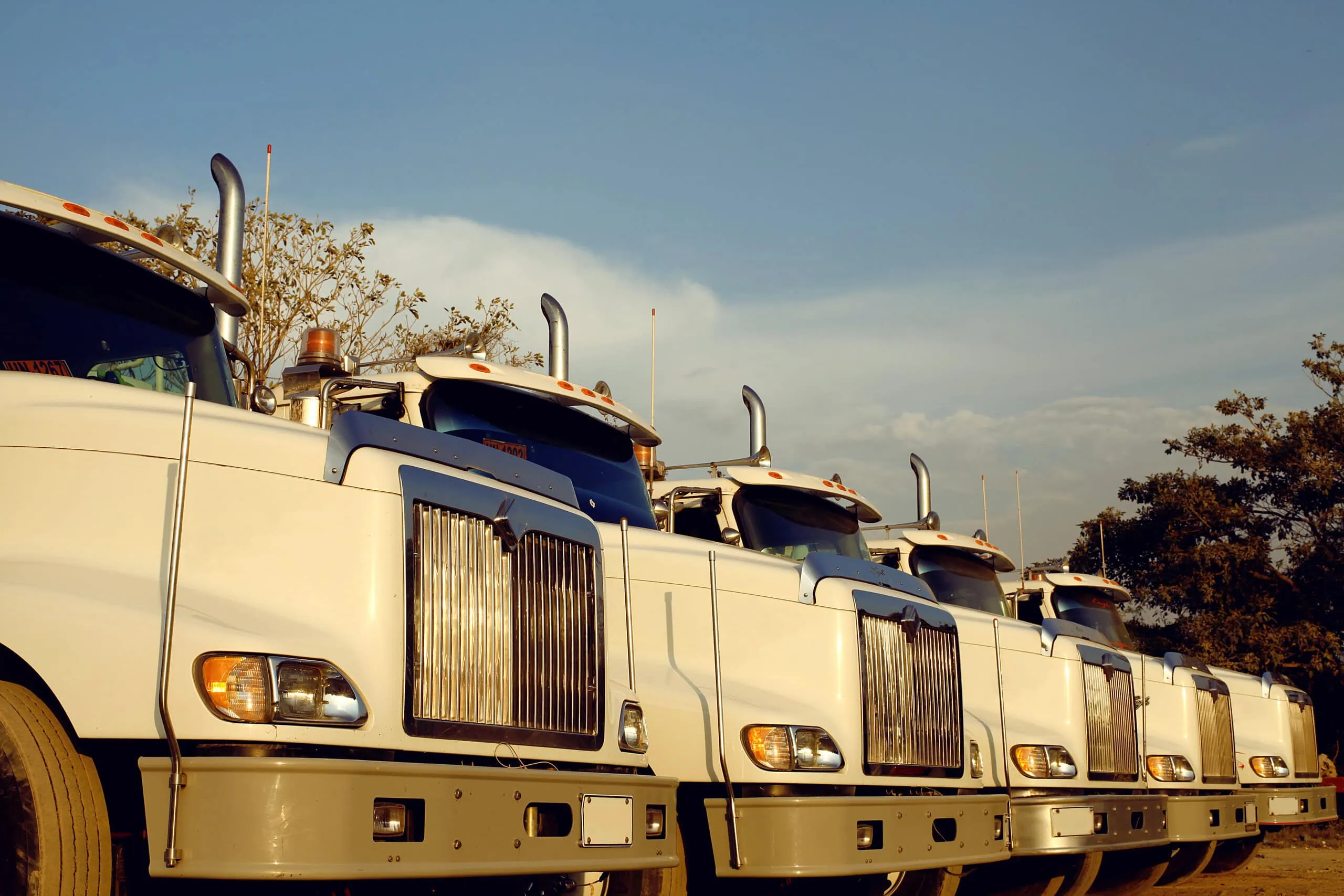
Why Choose Gould Insurance For Fleet Insurance In Massachusetts?
Local insight matters. Gould Insurance works with Massachusetts organizations every day, so we understand the regulatory landscape, the driving conditions, and the pressures of running a fleet in busy urban corridors and rural routes alike. Our role is to be your advocate—comparing options across carriers, explaining trade-offs, and helping you build a Fleet Insurance program that fits your goals.
You’ll get a relationship, not just a policy. We take time to learn how your vehicles are used, who drives them, and what keeps you up at night. From new-vehicle additions to claims support and renewal planning, we aim to be responsive and proactive. Over time, that partnership may help you spot trends, adjust deductibles or limits, and explore safety initiatives that make sense for your team. When questions come up, you’ll talk to people who know your account.
How Do You Right-Size Limits And Deductibles For Your Fleet?
Choosing limits and deductibles is a balancing act between risk tolerance and budget. Higher limits may provide broader protection against severe losses, while deductibles influence your out-of-pocket costs when claims occur. The “right” answer depends on your revenue, contracts, client requirements, and the potential severity of losses tied to your operations.
We’ll look at your claims history, vehicle values, and typical routes to model different scenarios. Some fleets opt for higher deductibles to lower premiums and invest the savings into safety programs or driver training. Others prefer lower deductibles to keep cash flow predictable after an incident. Your Fleet Insurance strategy may include reviewing limits annually, especially if your fleet grows, you add heavier vehicles, or you take on contracts with stricter insurance requirements.

How Do You Get Started with Fleet Insurance?
Getting started is straightforward and collaborative. We begin with a quick discovery to understand your vehicles, drivers, and how your fleet operates day to day. From there, we gather details that may include vehicle schedules, garaging addresses, driver information, and prior loss history. This helps us approach carriers with a clear, accurate picture of your risk.
Once quotes come back, we translate them into plain English—what’s covered, what’s optional, and where trade-offs exist. You choose the direction that fits your goals, and we help coordinate binding, certificates, and any onboarding steps. After your policy is active, we stay involved with mid-term changes, new vehicles, claims guidance, and renewal planning. If you’re ready to explore Fleet Insurance in Massachusetts with a partner who keeps it human, Gould Insurance is here to help.